
Living With Diabetes: A Daily Routine That Keeps Sugar Steady
Dr. Khanna's X-Ray & Laboratory · 28 April 2026 · 3 min read
Sugar control is won between clinic visits
Diabetes is decided in the gaps between appointments, in the hundreds of small choices about when you eat, how you move and whether the tablet was taken on time, and no three-monthly consultation can substitute for the structure of ordinary days. The body with diabetes has lost its automatic sugar-smoothing machinery, either insulin supply or insulin sensitivity, so the work of smoothing moves to the routine itself: regular timings, predictable portions and daily movement stand in for what the pancreas once handled silently. Build the routine once, and it quietly does the controlling for you.
Meal timing: the skipped breakfast trap
Erratic meal timing produces erratic sugar, because medicines and insulin are dosed on the assumption that food arrives on schedule; a skipped breakfast under a full tablet dose can drive sugar dangerously low by noon, while the double-sized lunch that follows sends it soaring. Aim for three meals at consistent times, with a small planned snack if your doctor advises one, and never skip a meal after taking your diabetes medicine. Long fasts and feast days need planning too: for karva chauth or navratri fasting, talk to your doctor beforehand about adjusting doses rather than improvising on the day.
Building the plate the Indian way
The everyday problem with the North Indian plate is proportion: rotis and rice dominate while dal and sabzi decorate, and refined carbohydrates digest quickly into a sharp sugar spike. Rebalance rather than renounce: fill half the plate with vegetables, a quarter with dal, paneer, egg, chana or fish, and hold rotis and rice to the remaining quarter, choosing whole grains, and thick multigrain or besan-mixed rotis over thin white-flour ones. Eating sabzi and dal before the rice slows the whole meal's absorption, since fibre and protein delay stomach emptying. Whole fruit is welcome in moderation; fruit juice, even fresh, strips away the fibre and behaves like sugar water.
The half-hour that works like a medicine
Muscle is the body's largest consumer of glucose, and here is the useful detail: working muscle pulls sugar from the blood without needing insulin at all, which makes a walk the closest thing to a free dose of medicine a diabetic owns. Thirty to forty minutes of brisk walking daily is the foundation, and a ten-minute stroll after dinner specifically blunts the night-time spike from the day's largest meal. Add simple strength work, stairs, squats holding a chair, light weights, twice a week, because more muscle means more glucose storage capacity permanently. Carry a toffee or glucose sachet on long walks if you take insulin or sulfonylurea tablets.
Medicines, monitoring and the notebook habit
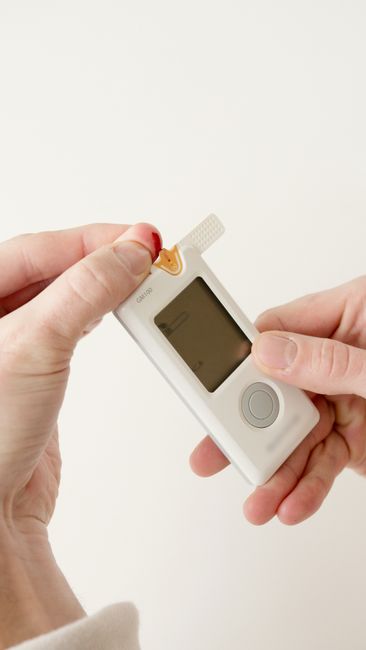
Take medicines at the same clock times daily, anchored to meals as prescribed, and use a weekly pill organiser if the schedule is complex, because missed and doubled doses are the commonest causes of wild readings we see. Home glucometer checks, at the frequency your doctor sets, are most informative in pairs, fasting and two hours after a meal, written down with the date and what the meal was. That notebook converts your quarterly review from guesswork into engineering. Remember the HbA1c test every three months measures the average the notebook cannot, and the two together tell the full story.
Sleep, stress and the numbers nobody connects
Poor sleep and chronic stress raise cortisol, a hormone whose day job is raising blood sugar, which is why a week of late nights or family tension can spoil readings despite a perfect diet. Protect seven hours of sleep on a regular schedule, and treat loud snoring with daytime sleepiness as a medical issue worth raising, since sleep apnoea is common in diabetics and worsens control. Build one genuine decompression into each day, a walk, pranayama, ten minutes of quiet after work, and keep tobacco out entirely, because smoking multiplies the vessel damage diabetes is already attempting.
The checks that protect eyes, feet and kidneys
Look at your feet for one minute at bedtime, tops, soles and between toes, for cuts, cracks, colour change or blisters that diabetic nerves may not report as pain, and never walk barefoot, even at home. Keep the fixed calendar: eye examination yearly for retinopathy, urine and kidney tests yearly, and dental checks, since gum infection and sugar control worsen each other. Seek urgent help for sugar readings persistently above 300, vomiting with high sugar, a foot wound that will not heal, sudden vision change, or symptoms of low sugar, trembling, sweating and confusion, that do not respond quickly to glucose.
Questions patients ask
Can I ever eat sweets again?
An occasional small portion at a festival, eaten straight after a balanced meal rather than alone, is workable for most people with well-controlled sugar. What damages control is the daily pattern, sweetened tea, biscuits, juice, not the rare planned indulgence. Be honest with your doctor about it.
Is walking after meals really better than walking any other time?
Any walking helps, but a short walk within an hour of eating targets the spike as it happens, because working muscles pull the incoming glucose straight from the blood. A ten-minute post-dinner walk plus a longer morning walk is an excellent combination.
My fasting sugar is high even though I eat almost nothing at night. Why?
The liver releases stored glucose in the early morning hours, and in diabetes this dawn release runs unchecked, so high fasting readings can occur without any food mistake. Share the pattern with your doctor, as it is usually fixed by adjusting medicine timing rather than tightening the diet further.
Suggested articles

Vitamin B12 on a Vegetarian Diet: Signs, Tests and Fixes
Why vegetarian diets run low on B12, the nerve and blood symptoms that creep in over years, which tests to ask for, and how to correct it safely.
19 August 2026 · 4 min read
Vitamin D and Indoor Life: Why Sunny Countries Still Run Low
Why vitamin D deficiency thrives in sunny India and the US alike: the indoor-life problem, symptoms, the 25-OH test, and safe sensible correction.
17 August 2026 · 3 min read
HDL, LDL and Triglycerides: Reading Your Cholesterol Report
A plain-language tour of the lipid profile: what LDL, HDL and triglycerides each do, the targets that matter, and which numbers move with which habits.
17 August 2026 · 4 min read