
Dust Allergy at Home: Cutting Triggers Room by Room
Dr. Khanna's X-Ray & Laboratory · 2 August 2026 · 3 min read
It is usually the mite, not the dust
House dust that sets off sneezing is rarely offensive because of soil or grit; the true allergen in most homes is the dust mite, a microscopic creature that lives in mattresses, pillows, quilts and upholstery, feeding on the skin flakes every human shed nightly. What the allergic nose reacts to is chiefly the protein in mite droppings, light enough to fly up with every bed-shake and settle back into the fabric. This explains the classic pattern our patients describe: worst on waking, worse while making beds or sweeping, better outdoors. It also explains why the battle is won in the bedroom, where mites are densest and you spend a third of your life.
The bedroom: where most of the victory lies
Mites die with heat, dryness and sunlight, so use all three. Wash sheets, pillow covers and blanket covers weekly in hot water, comfortably hot, around sixty degrees where fabric allows, because a cold-water rinse removes some droppings but leaves the colony thriving. Put mattresses, pillows and razai out in strong sun regularly, a habit Indian terraces were practically built for, and beat them outdoors rather than in the room. Zippered dust-proof encasings on mattress and pillows put a barrier between sleeper and colony. Declutter the room's soft surfaces, and keep the bed a sleeping place, not a daytime sofa for the whole family.
Curtains, carpets, sofas and soft toys
Every long-stay fabric in the house is potential mite housing, and the honest question for each is whether it can be washed often or should go. Heavy curtains that come down once a year do more harm than light cotton ones washed monthly; wall-to-wall carpet is the single worst offender and a bare washable floor with small washable rugs serves an allergic family far better. Vacuum sofas and upholstered chairs weekly if a vacuum is available. A child's mountain of soft toys deserves rationing: keep the two or three best-loved, wash them regularly, and an overnight spell in the freezer inside a bag also kills mites in a toy that cannot take frequent washing.
Cleaning without launching the enemy airborne
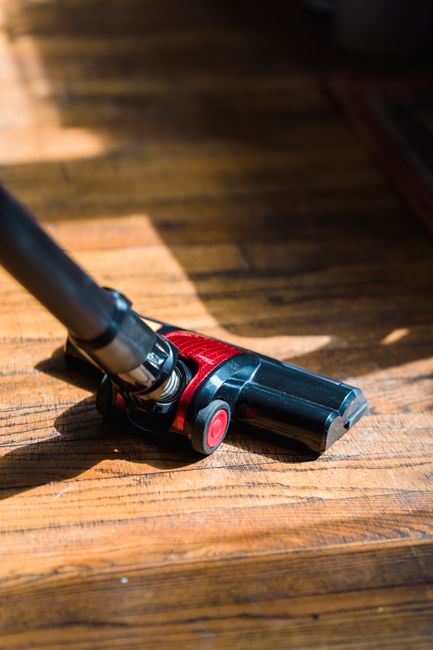
The daily jhadu, briskly swung, is a superb machine for lifting settled allergen into exactly the air the family then breathes for the next hour, and the allergic person who does the sweeping gets the largest dose. Switch the method: damp-mop floors and wipe surfaces with a damp cloth so dust is trapped rather than launched, use a vacuum with a good filter where possible, and let the allergic member either wear a snug mask while cleaning or, better, hand that chore to someone else and take a different one. Clean with windows open, and give a freshly cleaned room half an hour to settle before the allergic person returns.
Store rooms, old books and the trunk under the bed
Every household has its archaeology, trunks of winter clothes, stacks of old newspapers and books, the store room nobody enters with the lights on, and these undisturbed reserves accumulate years of dust, mites and mould, then release it all in one afternoon of reorganising. When winter woollens emerge from storage, wash or thoroughly sun them before first wear rather than pulling a razai straight from the trunk onto the bed. Sort store rooms with mask on and windows open, in short sessions. Storing clothes and bedding in zipped bags or closed boxes shrinks next season's dose, and the space under beds is better left empty than stuffed.
Humidity: the lever most families forget
Mites and moulds cannot drink; they absorb moisture from the air, and they flourish when indoor humidity runs high, which is why the monsoon multiplies both and why symptoms often surge in those weeks. Keep air moving: cross-ventilate daily, run exhaust fans while bathing and cooking, and dry washing outdoors or in a ventilated space rather than on racks in the bedroom, which quietly turns it into a humidifier. Fix seepage patches and leaking pipes, since a damp wall is a mould farm behind the paint. In the dampest weeks, sunning bedding whenever the sky allows counts double.
When home control is not enough
Give these measures six to eight honest weeks; most families see mornings transformed. Come to the clinic if sneezing and blockage persist despite them, if sleep stays broken or a child keeps mouth-breathing and snoring, if any wheeze, chest tightness or night cough appears, since dust-mite allergy is a common driver of asthma, or if you need medicines to get through every single day. Options then widen: proper antihistamines, steroid nasal sprays used correctly, allergy testing to confirm the culprit, and in suitable persistent cases, desensitisation treatment under specialist care. The room-by-room work still matters alongside; medicines calm the alarm, but exposure keeps ringing it.
Questions patients ask
We clean the house daily. Why is the dust allergy still bad?
Frequency is not the issue; method and target are. Dry sweeping and bed-shaking launch allergen into the air, and daily cleaning does not touch the mites inside mattresses and pillows. Damp cleaning plus hot-washed, sun-dried bedding attacks the real reservoir.
Do air purifiers help with dust-mite allergy?
Somewhat, for the airborne fraction, but mite allergen is relatively heavy and settles quickly back into fabric, so a purifier helps less here than in smog. Bedding measures and humidity control give far more relief per rupee.
Can we keep a pet if someone has dust allergy?
Dust-mite and animal allergies are separate, but they often coexist and add up. If symptoms clearly worsen around the pet, keep it out of the bedroom entirely, wash hands after handling, and discuss testing before making a final decision.
Suggested articles

Prediabetes Is a Fork in the Road: How to Take the Right Turn
Prediabetes is the one stage of diabetes that can be walked back: the numbers that define it, the mechanism behind it, and the levers that reverse it.
27 August 2026 · 4 min read
Iron Deficiency in Women: Why It Hides Behind Just Feeling Tired
Monthly losses, depleted ferritin and a normal haemoglobin: how iron deficiency hides in women, the tests that expose it, and what refills the tank.
26 August 2026 · 4 min read
High Uric Acid: The Diet Changes That Move the Number
Which foods genuinely raise uric acid — sugary drinks, alcohol, organ meats — which are wrongly blamed, and the habits that bring the number down.
25 August 2026 · 4 min read