
HbA1c: The Three-Month Sugar Report Card Explained
Dr. Khanna's X-Ray & Laboratory · 17 August 2026 · 3 min read
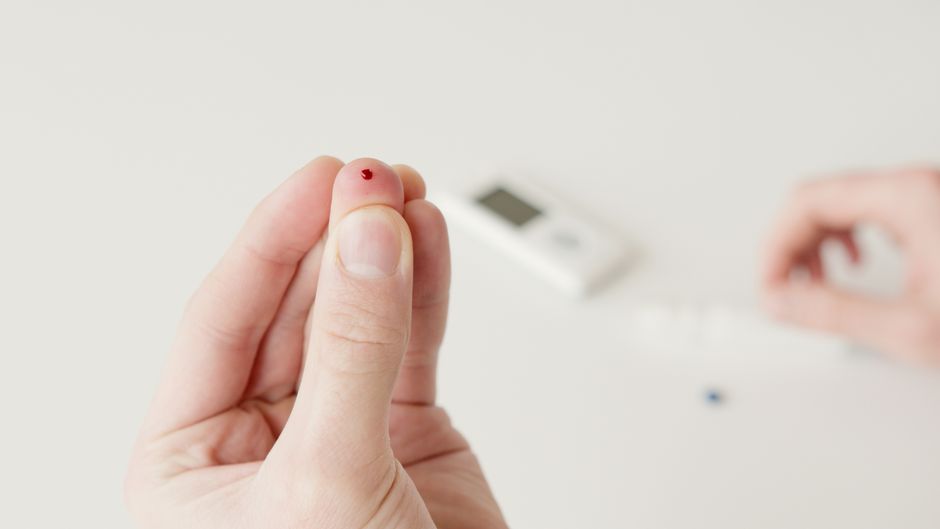
Sugar is sticky — and that is the whole test
Sugar is sticky at the molecular level, and that single fact is the entire basis of the HbA1c test. Glucose circulating in your blood gradually attaches itself to haemoglobin, the oxygen-carrying protein inside red blood cells, and once attached it stays for the life of that cell — roughly 120 days. The higher your average blood sugar runs, the larger the fraction of haemoglobin that ends up sugar-coated, and HbA1c simply reports that fraction as a percentage. This is why the test needs no fasting and cannot be gamed by two careful days before the lab visit: it is an automatic diary your red cells have been keeping for about three months.
Reading the ranges: 5.7, 6.5 and beyond
The cut-offs used in both India and the United States are the same: below 5.7 percent is normal, 5.7 to 6.4 percent is prediabetes, and 6.5 percent or above on a proper laboratory test supports a diagnosis of diabetes. For people already living with diabetes, treatment commonly aims near 7 percent, though the right personal target is set by your doctor — tighter for a young newly diagnosed patient, gentler for an elderly person prone to low-sugar episodes. Each percentage point represents a real change in average glucose: 7 percent corresponds to an average of roughly 154 mg/dL across the day, meals and nights included.
Why HbA1c and fasting sugar can disagree
Patients are often puzzled when the fasting glucose looks decent while the HbA1c looks poor, but the two tests are photographing different things. Fasting sugar is a single dawn snapshot, taken at the one moment of the day most people control best; HbA1c averages every hour, including the sugar spikes after lunch, wedding dinners, festival sweets and late-night snacks that a morning test never sees. A common pattern in early diabetes is a near-normal fasting value with high after-meal surges, and it is precisely this pattern that HbA1c exposes. When the two disagree, the average is usually telling the truer story about the whole day.
How fast the number can move
Because red cells are continuously replaced, HbA1c is a rolling average in which the most recent month contributes the largest share. Genuine changes in food, walking and medication start bending the number within weeks, but the full effect takes about three months to show — which is why repeating the test every fortnight is pointless and every three months is standard while treatment is being adjusted. A fall from 8.5 to 7.5 percent is a real achievement worth acknowledging, since it reflects thousands of hours of lower average sugar, not one good week before the test.
When the report card misleads
HbA1c leans on the assumption that your red cells live a normal 120 days, and whenever that assumption breaks, the number lies. Iron-deficiency anaemia — extremely common in Indian women — lets red cells linger longer and can push the reading falsely up, while recent blood loss, haemolysis or a recent transfusion refreshes the cell population and drags it falsely down. Inherited haemoglobin variants such as thalassaemia trait, common across both India and parts of the US population, can distort some laboratory methods. Pregnancy changes the arithmetic too, which is why pregnant women are monitored with glucose tests instead. In these situations doctors lean on fasting values or home glucose profiles.
Using the number rather than fearing it
Treat HbA1c the way you would a child's report card: a summary that directs effort, not a verdict on character. Pair it with a few structured home glucometer readings — fasting and two hours after your largest meal — so you can see which part of the day is lifting the average, then aim your changes there. Post-meal spikes respond well to a fifteen-minute walk after eating, because contracting leg muscles pull glucose out of blood without needing insulin. Bring both the lab report and the home log to your review; together they tell your doctor whether food, tablets or timing needs the adjustment.
When to test, and when to see the doctor sooner
Adults over forty-five, and younger adults who carry extra weight around the waist, have a family history of diabetes, or had diabetes in pregnancy, should know their HbA1c — South Asians develop diabetes at lower body weights and younger ages than Western populations, so an Indian family history moves testing earlier. A result in the prediabetes band deserves a repeat in three to six months alongside serious lifestyle work, not a shrug. See your doctor promptly, without waiting for the next scheduled test, if you develop unexplained thirst, frequent urination, weight loss or blurred vision, because symptoms like these mean sugar has risen enough that the three-month average is already out of date.
Questions patients ask
Do I need to fast before an HbA1c test?
No — the test reads sugar already bound to your red cells over the past three months, so breakfast on the morning of the test makes no difference. Labs often pair it with a fasting glucose, and it is that companion test which requires the empty stomach.
Can HbA1c come down without medicines?
In prediabetes and early diabetes, yes — weight loss around the waist, daily walking, fewer refined carbohydrates and better sleep can lower it meaningfully within one or two testing cycles. Whether medicines are also needed depends on how high the number is and your overall risk, which is your doctor’s call.
Why does my lab report also mention eAG?
eAG, or estimated average glucose, is the same result translated into the mg/dL units your glucometer uses — 7 percent becomes roughly 154 mg/dL. It exists purely to make the percentage easier to compare with daily readings; it is not a second test.
Suggested articles

Vitamin B12 on a Vegetarian Diet: Signs, Tests and Fixes
Why vegetarian diets run low on B12, the nerve and blood symptoms that creep in over years, which tests to ask for, and how to correct it safely.
19 August 2026 · 4 min read
Vitamin D and Indoor Life: Why Sunny Countries Still Run Low
Why vitamin D deficiency thrives in sunny India and the US alike: the indoor-life problem, symptoms, the 25-OH test, and safe sensible correction.
17 August 2026 · 3 min read
HDL, LDL and Triglycerides: Reading Your Cholesterol Report
A plain-language tour of the lipid profile: what LDL, HDL and triglycerides each do, the targets that matter, and which numbers move with which habits.
17 August 2026 · 4 min read