
Constipation Relief From the Kitchen: Fibre, Fluids and Routine
Dr. Khanna's X-Ray & Laboratory · 4 June 2026 · 3 min read
How our plates quietly lost their fibre
Half the constipation we see in clinic began the year a household quietly switched from thick chokar-wala atta to fine refined flour, from seasonal fruit to biscuits with tea, and from evening walks to evening screens. Fibre is the part of plant food our gut cannot digest, and it is precisely this undigested bulk that keeps stool soft and moving. Polished rice, maida bread, packaged namkeen and milk-heavy diets give the bowel almost nothing to grip. The result is small, hard, infrequent stools that need straining, and a person who blames their body when the real change happened in the kitchen.
What fibre and water actually do inside the bowel
Insoluble fibre, the kind in wheat bran, guava and vegetable skins, holds water like a sponge and swells the stool, and that stretch on the intestinal wall is the very signal that triggers the muscular waves which push contents forward. Soluble fibre, found in oats, dals and fruit pulp, forms a soft gel that keeps the stool slippery rather than crumbly. Neither works without water, because a dry colon simply pulls fluid back out of the stool and hardens it further. This is why adding isabgol without drinking enough can actually worsen the blockage rather than relieve it.
The kitchen shelf that beats the chemist shop
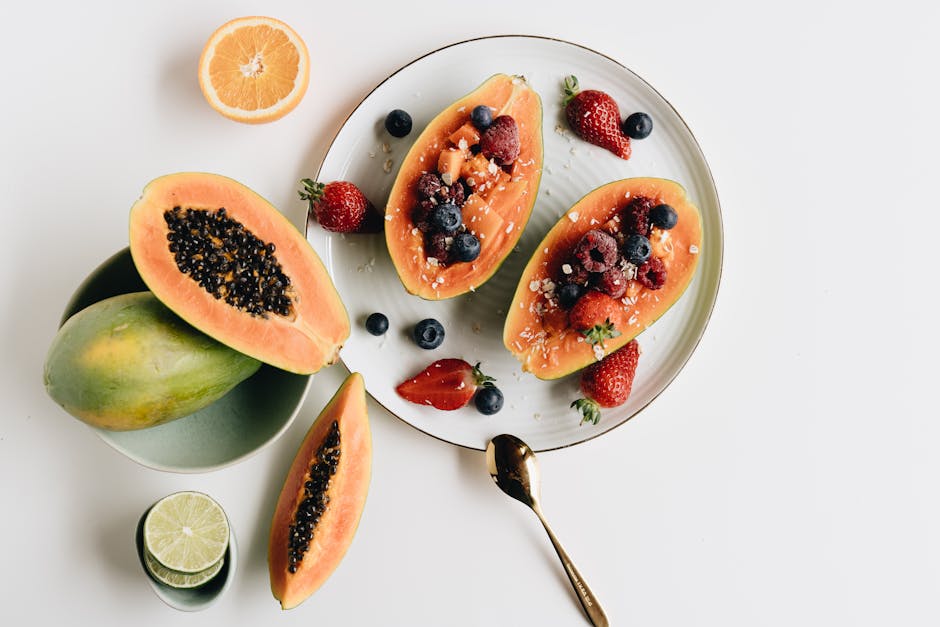
Papaya at breakfast earns its reputation honestly: it combines soluble fibre, a high water content and the enzyme papain, which supports digestion of proteins. Guava eaten with its skin, soaked black raisins or anjeer taken first thing in the morning, a bowl of dalia or oats, and whole moong or chana in the evening meal each add several grams of fibre without any change of taste culture. A spoon of ghee in dal is not a myth either, since fat stimulates the gall bladder and the natural gastro-colic push after meals. Aim for gradual change over two weeks, because a sudden fibre jump causes bloating.
Training the bowel to a fixed morning time
The colon is most active in the first hour after waking and after the first warm drink or meal, a reflex doctors call the gastro-colic response. Use it deliberately: drink a glass or two of warm water on waking, walk about while the kettle boils, and sit on the toilet at the same time daily even if nothing happens for the first few days. Keep a small stool under the feet so the knees rise above the hips, because this squat-like angle straightens the last bend of the rectum and reduces the straining pressure needed. Within two to three weeks most bowels accept the appointment.
Habits that keep people blocked
Ignoring the urge is the most damaging habit of all, because stool that waits in the rectum keeps losing water and returns harder an hour later. Strong tea on an empty stomach as a laxative substitute, skipping breakfast, sitting for eight unbroken hours, and swallowing painkillers frequently for aches all slow the gut in their own ways. Stimulant laxative churans taken nightly deserve special mention: used daily for months they make the colon lazy and dependent, so the dose keeps climbing. Reserve them for occasional rescue, never as a routine, and tell your doctor if you cannot manage without them.
Using isabgol correctly when food is not enough
Isabgol, or psyllium husk, is the gentlest supplement we recommend because it works mechanically rather than chemically, swelling into a soft gel that bulks and lubricates the stool. Take one to two teaspoons stirred briskly into a full glass of water or thin buttermilk at night, and follow it with another glass of plain water, since the husk must have fluid to swell inside the gut rather than in the glass. Expect results in one to three days, not one hour. People with swallowing difficulty or a known gut narrowing should use it only after medical advice.
When constipation needs a doctor, not a remedy
See us promptly if constipation is a new change after the age of forty-five, if there is blood in or on the stool, unexplained weight loss, stools that have become persistently pencil-thin, severe abdominal pain, or constipation alternating with diarrhoea over weeks. These patterns need examination and sometimes tests, because they can signal thyroid problems, medication effects or, rarely, growths that are far easier to treat early. Children with chronic constipation and elderly people who suddenly stop passing stool and wind altogether also need review rather than another home remedy. For everyone else, fibre, fluid and a fixed morning routine solve most cases within a month.
Questions patients ask
Is it necessary to pass stool every single day?
No. Anywhere from three times a day to three times a week is normal if the stool is soft and passes without straining. Frequency matters less than comfort and consistency.
Does drinking warm water with lemon cure constipation?
Warm fluid on waking genuinely stimulates the bowel reflex, and the lemon is harmless but optional. It helps as part of a routine, though it cannot compensate for a low-fibre diet.
Can I give isabgol to my elderly parents daily?
Usually yes, since psyllium is safe for long-term use, but each dose must come with a full glass of water. If they have swallowing problems or new constipation, get them checked first.
Suggested articles

Sore Throat Home Care: What Soothes and What Irritates
Home care for a sore throat that actually helps: warmth, honey, humid air and voice rest — plus the strep signs and red flags that need a clinic.
20 August 2026 · 4 min read
Loose Motions: The Recovery Diet That Rests the Gut Without Starving You
What to eat and drink during loose motions: ORS first, foods that firm the gut, the milk exception, and the red flags that mean more than diet.
19 August 2026 · 4 min read
The Cough That Starts at Bedtime: Night-Time Remedies That Work
Why a dry cough waits for bedtime — postnasal drip, reflux, dry air — and the night remedies that target each mechanism, plus when to get checked.
19 August 2026 · 4 min read