
Sleeping Better Without Pills: Fixing Sleep Habits That Broke
Dr. Khanna's X-Ray & Laboratory · 7 May 2026 · 3 min read
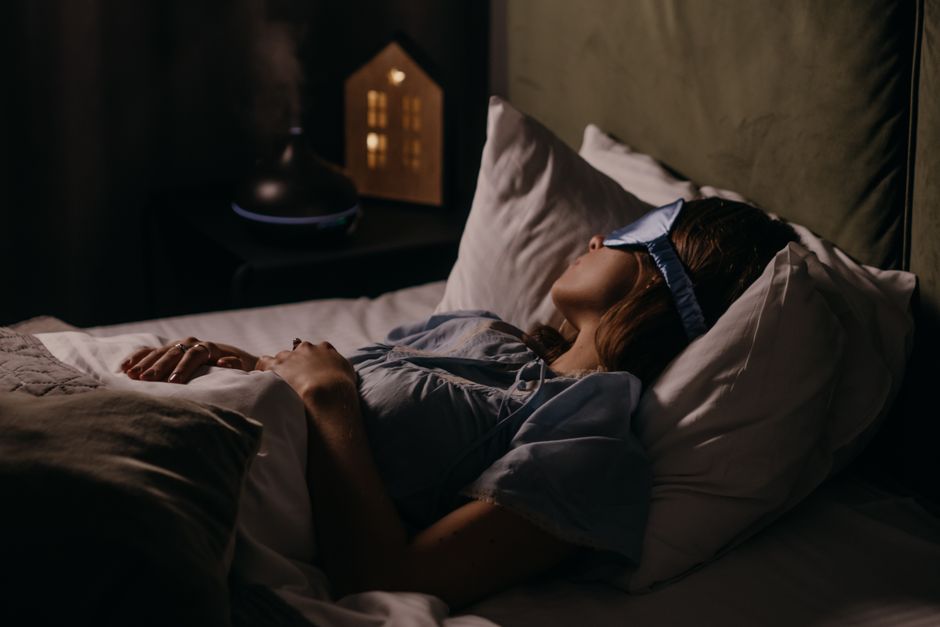
The 2 a.m. arithmetic and how sleep really starts
Lying awake calculating how tired tomorrow will be is the signature experience of broken sleep, and the calculation itself is part of the problem, because sleep is not an act of will. Sleep arrives when two body systems agree: sleep pressure, a chemical drive that builds with every waking hour, and the circadian clock, which releases melatonin on a schedule set largely by light. Every fix that follows works on one of those two levers. Trying harder to sleep, meanwhile, activates the alertness system and pushes sleep further away, which is why effort fails where routine succeeds.
One fixed wake time anchors everything
The single most powerful correction is an unvarying wake-up time, weekends included, because the clock in the brain sets itself by when you get up and see light, not by when you go to bed. Sleeping till eleven on Sunday feels like repayment but functions like flying two time zones west, guaranteeing Monday-night sleeplessness in what is essentially self-inflicted jet lag. Fix the wake time first, get a few minutes of daylight soon after rising, on the balcony with your morning tea works well, and allow the bedtime end of sleep to fall into place naturally within a week or two.
The screen habit that dismantles melatonin
The phone in bed sabotages sleep through two independent mechanisms: its light strikes brightness-sensing cells in the eye that tell the brain the sun is up, delaying melatonin release, while its content, news, arguments on the family group, one more episode, feeds the mind exactly the arousal it should be shedding. Set a screen curfew an hour before bed and charge the phone across the room or outside, using a plain alarm clock instead. Fill the last hour with genuinely dull calm: dimmed lights, a paper book, light stretching or slow breathing. Boring evenings are a feature of good sleep, not a failure of lifestyle.
Chai, dinner timing and the nightcap myth
Caffeine blocks the brain's sleep-pressure signal for hours, and half of an evening cup is still circulating at midnight, so take the last chai or coffee by mid-afternoon. Heavy, late, oil-rich dinners keep digestion working and acidity rising exactly when the body should be cooling and slowing, so aim to finish eating two to three hours before bed, keeping the last meal on the lighter side, with a small glass of milk later if habit demands something. Alcohol deserves its own myth-busting: it sedates you into sleep quickly, then fragments the second half of the night as it wears off, leaving you unrefreshed.
Making the bedroom argue for sleep
The body must drop its core temperature slightly to initiate sleep, which is why stuffy, warm rooms in a Faridabad summer produce such miserable nights; use the fan, cooler or AC to get the room genuinely comfortable, and try a warm bucket bath an hour before bed, which paradoxically helps by drawing heat to the skin so the core cools afterwards. Darken the room properly, curtains against streetlights, cover the glowing inverter and router LEDs, and blunt unavoidable noise with a fan's steady hum. Above all, reserve the bed for sleep, not for office laptops, meals or scrolling, so the brain relearns that mattress means sleep.
What to do at 3 a.m. when sleep will not come
Lying in bed awake and frustrated trains the brain to associate the bed with wakefulness, which is how a few bad nights harden into months of insomnia. The counterintuitive fix: if you have been awake roughly twenty minutes, get up, sit in dim light elsewhere, and do something quiet and dull, no phone, until genuine drowsiness returns, then go back to bed. Repeat as often as needed. Slow breathing helps while waiting, six or so breaths a minute with the exhale longer than the inhale, because extended exhalation activates the body's calming vagal brake. What you lose in that one night, you recover in retrained nights ahead.
When poor sleep is a symptom, not a habit
See a doctor rather than persisting alone if loud snoring comes with choking, gasping or daytime sleepiness, which suggests sleep apnoea, a treatable condition that strains the heart and worsens blood pressure and sugar. Other flags: legs that crawl and demand movement at night, possible restless legs syndrome, often linked to low iron, sleeplessness with persistent low mood or anxiety, pain or breathlessness that wakes you, or reliance on nightly sleeping tablets, which lose effect and create dependence when self-managed. Habit fixes solve most insomnia, but these patterns have medical causes with specific treatments, and no amount of sleep hygiene substitutes for treating them.
Questions patients ask
Are afternoon naps ruining my night sleep?
A short nap of twenty to thirty minutes before mid-afternoon is harmless for most people and traditional in many Indian homes. Naps that are long, late or both drain the sleep pressure your night depends on, so if nights are broken, trim the nap first and see.
How many hours of sleep do adults actually need?
Most adults function best on seven to eight hours, with genuine individual variation. Judge by your days rather than the clock: waking reasonably refreshed and staying alert without struggling through afternoons suggests your quantity is right, whatever it is.
Is it harmful to take an occasional sleeping tablet?
A doctor-prescribed tablet used briefly during a crisis, a bereavement or travel is reasonable. Nightly self-medicated use is the trap: tolerance builds, doses creep, and the underlying habit problem never gets fixed. If you need something nightly, that itself is the reason to consult.
Suggested articles

Vitamin B12 on a Vegetarian Diet: Signs, Tests and Fixes
Why vegetarian diets run low on B12, the nerve and blood symptoms that creep in over years, which tests to ask for, and how to correct it safely.
19 August 2026 · 4 min read
Vitamin D and Indoor Life: Why Sunny Countries Still Run Low
Why vitamin D deficiency thrives in sunny India and the US alike: the indoor-life problem, symptoms, the 25-OH test, and safe sensible correction.
17 August 2026 · 3 min read
HDL, LDL and Triglycerides: Reading Your Cholesterol Report
A plain-language tour of the lipid profile: what LDL, HDL and triglycerides each do, the targets that matter, and which numbers move with which habits.
17 August 2026 · 4 min read