
Recovering From Viral Fever: What Helps and What Slows You Down
Dr. Khanna's X-Ray & Laboratory · 18 March 2026 · 3 min read
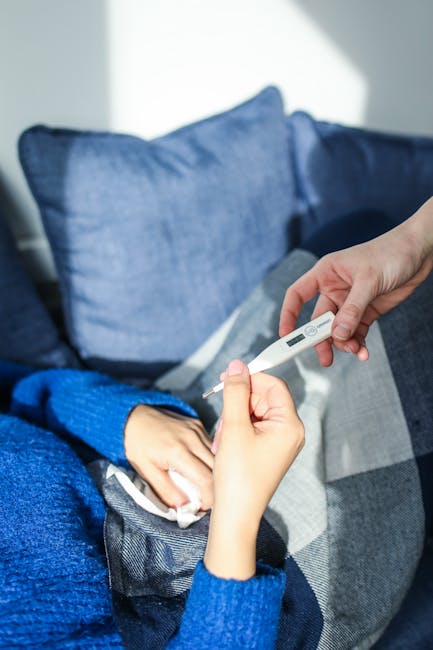
Why your body raises its own temperature
A viral fever is not the virus attacking you directly; it is your own immune system deliberately turning up the thermostat. When white blood cells detect a virus, they release chemical messengers called pyrogens that tell the brain's hypothalamus to run the body a degree or two hotter than usual. Most viruses copy themselves more slowly at higher temperatures, while your immune cells actually work faster, so the fever is part of the defence rather than the disease. This is why the aim of home care is comfort and safety, not forcing the thermometer back to 98.6 at any cost.
Using paracetamol without chasing every reading
Paracetamol is the sensible first choice for an uncomfortable fever, taken at the dose printed on the strip and never more often than every six hours for an adult with a healthy liver. Take it when the fever is making you miserable, achy or unable to sleep, rather than every time the thermometer crosses 99, because a mild temperature in a person who feels reasonably well does not need suppressing. Avoid combining two different branded medicines without checking their contents, since many popular cold-and-flu combinations already contain paracetamol and doubling up is the commonest way families accidentally overdose.
Rest is treatment, not laziness
Fighting a virus is metabolically expensive work, and the profound tiredness you feel is the body diverting energy away from muscles and towards immune cell production. Pushing through with office work, long WhatsApp calls or household chores forces the body to split that energy budget, which is one of the most reliable ways to stretch a three-day fever into a week. Plan for genuine rest: lie down even if you cannot sleep, keep the room dim and quiet, and let someone else manage the kitchen and the children for two or three days if the household can arrange it.
Fluids and food that actually help
Every degree of fever increases the water you lose through skin and breath, so an adult should be sipping fluids constantly, aiming for pale-yellow urine as the practical marker of enough. Plain water, nimbu pani, dal ka pani, coconut water and light soups all work; there is no magic in any one of them beyond water, a little salt and some easy calories. Appetite usually disappears during fever because digestion is temporarily de-prioritised, so do not force full meals. Small servings of khichdi, curd rice, daliya or a banana every few hours are easier for a feverish gut to handle than one heavy thali. If the patient is an elder, offer something every two hours by the clock, because appetite signals fade with age and intake quietly collapses.
What genuinely slows recovery down
Demanding an antibiotic is the most common mistake we see, because antibiotics kill bacteria and do absolutely nothing to viruses, while adding side effects like loose motions to an already tired body. Cold-water baths and ice sponging feel logical but trigger shivering, and shivering is muscle activity that generates more heat, so a lukewarm sponge or simply lighter clothing works better. Returning to work or school on the first afternoon the fever breaks is the other classic error; the immune system is still finishing the job, and a rebound of fever after premature exertion is something we see in the clinic every single week.
The recovery week after the fever ends
Expect a few days of weakness, poor appetite and light-headedness after the temperature settles, because the body now has to replace the proteins and energy stores it burned during the illness. Rebuild gradually with normal home food, adding a little extra protein such as dal, paneer, eggs or curd at each meal, and keep afternoon rest going for two or three more days. A dry, irritating cough can linger for two to three weeks after some viral fevers as the airway lining heals, and it does not need antibiotics as long as you are otherwise improving.
When to stop waiting and come in
See a doctor the same day if fever lasts beyond three days, keeps returning above 103, or comes with a stiff neck, severe headache, breathlessness, chest pain, a rash, repeated vomiting, or urine that stays dark despite drinking well. In Faridabad's monsoon and post-monsoon months, any fever with body ache should make you think of dengue, malaria and typhoid, all of which need a simple blood test rather than guesswork at home. Elderly relatives, pregnant women, infants and anyone with diabetes or kidney disease should be seen earlier, because their reserves are smaller and complications move faster.
Questions patients ask
Should I wrap up in a blanket and sweat the fever out?
No. Heavy wrapping traps heat and can push the temperature higher, which is especially risky in children. Dress in light cotton, use a thin sheet if you feel chilly, and let the skin release heat naturally.
Can I bathe during a viral fever?
Yes, a quick lukewarm bath is safe and often makes you feel fresher. Avoid cold water, which causes shivering and raises core temperature, and avoid long baths if you feel dizzy or weak.
Why did my fever come back in the evening after a normal morning?
Body temperature naturally rises in the late afternoon and evening, so viral fevers commonly spike then even while you are recovering. It matters only if the spikes continue past day three or climb higher each day, which is worth a check-up and possibly a blood test.
Suggested articles

Malaria, Dengue or Typhoid? Telling Monsoon Fevers Apart
Malaria, dengue and typhoid start almost identically. The fever patterns, companion signs and blood tests that separate the three monsoon fevers.
16 August 2026 · 3 min read
Fever in Children: A Parent's Hour-by-Hour Guide
An hour-by-hour plan for a child's fever: measuring properly, dosing by weight, what to watch overnight, and the red flags that end the waiting.
15 August 2026 · 3 min read
Viral or Bacterial? How Doctors Decide — and Why It Changes Treatment
How doctors tell viral from bacterial infections — story, timeline, examination and tests — and why the answer decides whether antibiotics help at all.
14 August 2026 · 4 min read