
Food Spoils Faster Than You Think: Summer Food Safety at Home
Dr. Khanna's X-Ray & Laboratory · 24 August 2026 · 4 min read
Bacteria need no invitation in summer — only two hours
Bacteria do not need an invitation to spoil food in summer; they need only time and temperature, and summer supplies both. The organisms that cause food poisoning multiply fastest between roughly 5°C and 60°C — 40°F to 140°F — a range food-safety officers call the danger zone, and under warm conditions their numbers can double every twenty to thirty minutes. Run that arithmetic and the famous rule explains itself: cooked food left out is considered safe for about two hours, and only one hour once room temperature crosses about 32°C / 90°F — which describes most Indian summer kitchens and every American backyard barbecue in July. Spoiled food often looks and smells perfectly normal; the count, not the smell, is what makes you ill.
The leftover lifecycle: cool fast, store smart, reheat hard
Leftovers cause a large share of summer illness, and the errors cluster at three points. First, cooling: do not leave the dinner pot on the stove until bedtime — divide leftovers into shallow containers so heat escapes quickly, let the worst of the steam pass, and refrigerate within the two-hour window; a warm container in the fridge is far better than a cool one on the counter. Second, storage: covered containers, eaten within a couple of days, with rice treated with special respect — cooked rice can harbour Bacillus cereus, whose spores survive cooking and multiply in rice left out, so refrigerate rice promptly and never re-serve rice that spent the afternoon on the counter. Third, reheating: heat leftovers until steaming hot right through — around 74°C / 165°F — and reheat only once; each warm-cool cycle is another bacterial working shift.
Milk, curd and the summer dairy question
Dairy is summer's most delicate cargo. Loose milk, and even pouched milk once opened, needs prompt boiling and refrigeration, and the Indian habit of boiling milk morning and evening exists precisely because each boil resets the bacterial count that room heat rebuilds. Curd (dahi — home-set yoghurt) is partly self-protecting, since its acidity slows many harmful organisms, but in summer it turns sharply sour within hours outside and should live in the fridge once set. Paneer, khoya and milk sweets are the true high-risk group — moist, protein-rich and often handled — and summer buying should favour shops with visible refrigeration and same-day consumption. American readers meet the same physics in a different container: the gallon of pasteurised milk survives only as long as the cold chain from store to home fridge is quick and unbroken.
Cut fruit, salads and the street-side trap
Whole fruit defends itself with skin; cutting it hands bacteria a moist, sugary surface at exactly the temperature they prefer. Cut melon deserves particular caution — its low-acid flesh has caused outbreaks in both countries — so cut close to eating time and refrigerate whatever waits more than a short while. This same logic is why street-side pre-cut fruit plates, chaat and juices sitting through a hot afternoon are the classic origin story of summer diarrhoea in Indian towns, and why the roadside salad bar in a heatwave earns American health-department attention. At home, wash fruit and salad vegetables in clean running water, keep cutting boards for raw meat strictly separate from those for produce, and wash hands before cutting anything — the knife and hand transfer more contamination than the market ever did.
Fridge discipline: cold is a chain, not a place
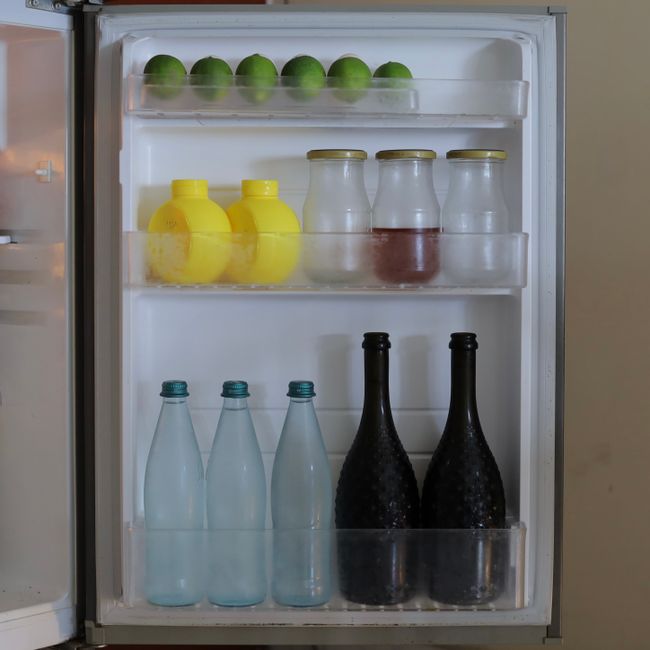
A refrigerator only slows bacterial growth, and only when actually cold: aim for below 5°C / 40°F in the main compartment, checked with an inexpensive fridge thermometer, because a fridge packed to bursting for a summer function often cannot hold that temperature — cold air must circulate, and blocked vents create warm pockets. Keep raw meat, chicken and fish in sealed containers on the lowest shelf so their drips never touch ready-to-eat food, a rule identical in Faridabad and Fresno. Power cuts, a routine North Indian summer event, have their own protocol: keep the door shut, and an unopened fridge holds safe cold for around four hours; after a long outage, be ruthless about discarding milk, meat and cooked food rather than sniff-testing them.
Cooking, water and the habits that finish the job
Thorough cooking remains the great equaliser — heat above 74°C / 165°F through the thickest part destroys the common causes of food poisoning, which is why freshly cooked, still-hot food is the safest street food and the safest home food alike. Thaw frozen meat in the fridge or microwave, never on the counter through a hot afternoon, because the surface enters the danger zone hours before the centre thaws. Drink water you trust: boiled, filtered or reliably bottled during peak summer, when water contamination events rise, and remember ice is only as clean as the water that made it. Finally, the twenty-second soap handwash before cooking and eating removes the contamination that every market surface, currency note and phone screen deposited on your hands.
When a stomach upset needs more than rest
Most summer food poisoning settles in a day or two with rest and steady oral rehydration — sips of ORS after each loose stool, bland soft food as appetite returns. Seek a doctor the same day for blood in stools, high fever, severe or localised abdominal pain, vomiting that prevents keeping fluids down, or signs of dehydration such as giddiness on standing, scanty dark urine and a dry mouth. Move faster still for infants, the elderly, pregnant women and diabetics, in whom dehydration and infection both escalate quickly. And when several people fall ill after one meal, mention it to the doctor — the pattern matters for treatment, and identifying the dish protects everyone who shared it.
Questions patients ask
If food smells and tastes fine, is it safe?
Not necessarily — the bacteria and toxins that cause food poisoning mostly produce no off smell or taste, while the organisms that make food obviously sour or smelly are often harmless spoilers. Judge by time and temperature, not senses: how long the food sat in the danger zone decides its safety.
Is it safe to eat food left out overnight if I reheat it well?
No. Some bacteria, notably in rice and meat dishes, produce heat-stable toxins as they multiply overnight — reheating kills the organisms but leaves the toxins intact. Overnight room-temperature food in summer belongs in the bin, however thorough the morning reheat.
How long does cooked food stay safe in the fridge in summer?
Treat two days as the sensible limit for most cooked dishes, kept covered below 5°C / 40°F, with rice and dairy-based dishes eaten sooner. Label or mentally date containers, reheat until steaming through, and reheat only the portion you will eat rather than the whole container repeatedly.
Suggested articles

Flu Season Isn't the Same Everywhere: Timing Your Shot in India and the US
Flu peaks in different months in India and the US. When each country's season runs, when to take the annual shot in each, and who needs it most.
24 August 2026 · 4 min read
Why Joints Hurt More in Winter — and What Actually Helps
The real reasons knees and fingers ache more in the cold — thicker joint fluid, guarding muscles, less movement — and the winter habits that ease them.
24 August 2026 · 4 min read
When Everyone Around You Is Sneezing: A Family Plan for Viral Season
A household plan for viral season: the first-24-hours drill when one member falls ill, hygiene and ventilation rules, school decisions and red flags.
26 July 2026 · 3 min read