
Why Joints Hurt More in Winter — and What Actually Helps
Dr. Khanna's X-Ray & Laboratory · 24 August 2026 · 4 min read
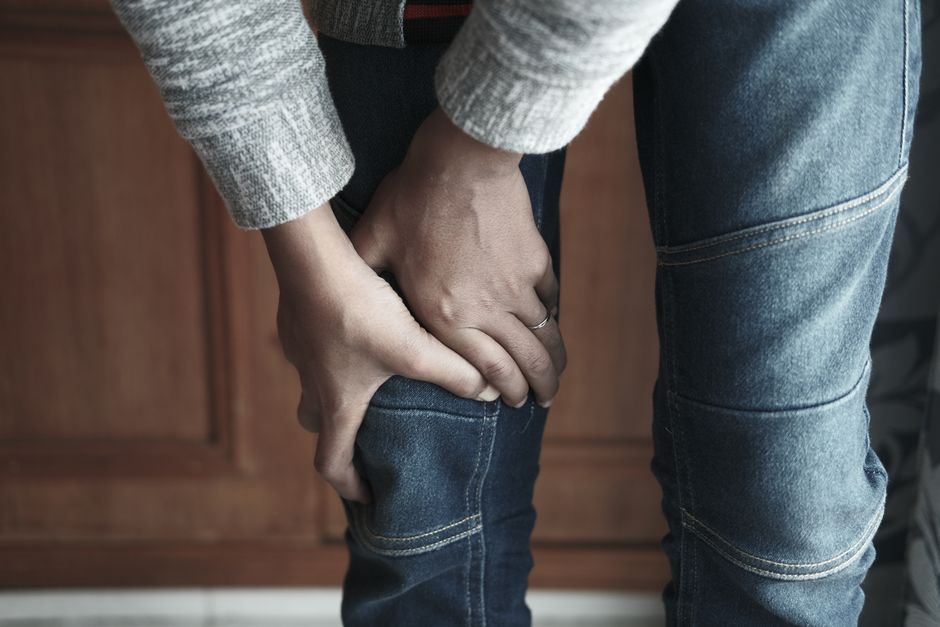
Knees keep a calendar
Knees keep a surprisingly accurate calendar: every year as December closes in, the same joints that behaved through October begin to ache on the stairs, whether the winter is Faridabad's foggy 8°C / 46°F or Chicago's brutal minus 10°C / 14°F. The pattern is real, not imagined, and it has plausible mechanics behind it. Cold thickens the synovial fluid that lubricates joints, the way engine oil thickens on a cold morning, so the first movements of the day drag. Muscles around joints contract and guard in the cold, compressing the joint and restricting its glide. And falling barometric pressure — the same drop that precedes cold fronts — may allow irritated joint tissues to swell slightly against their capsule, which many arthritis patients swear announces weather better than the forecast.
The hidden culprit: winter stillness
The least discussed mechanism is the most fixable: in winter we simply move less. Morning walks lose to fog and cold, evenings shrink indoors under blankets, and joints that depend on movement go hungry — cartilage has no blood vessels and receives its nutrition from synovial fluid squeezed through it by motion, so a still joint is literally an underfed joint. Stiffness from stillness then discourages movement further, and the spiral tightens through January. Add winter weight gain from festival food and heavier meals, each extra kilogram multiplying load on the knees with every step, and much of the seasonal flare is explained by the season's habits rather than its temperature.
Heat, used correctly
Warmth works on aching joints through direct mechanisms: it dilates local blood vessels, bringing more circulation to stiff tissue; it lowers the viscosity of joint fluid; and it relaxes the guarding muscle spasm around a painful joint. Use a hot water bag or heating pad wrapped in a towel for 15 to 20 minutes on the aching knee, lower back or hands, especially before activity — a warm joint moves better and then keeps itself warm by moving. A warm bath before morning stretching does the same globally. Two cautions: never sleep on a heating device or use it on numb skin, as diabetics with reduced sensation can burn without feeling it; and skip heat on a joint that is hot, red and swollen — that pattern needs a doctor, not a hot water bag.
Movement is the medicine that lasts
Everything else in this article buys comfort; movement changes the trajectory. The formula for winter is little and often: five minutes of ankle pumps, knee straightening and shoulder circles before leaving the bed unsticks the morning; an indoor walking loop, stair repeats at home, a stationary cycle, or mall-walking — an American winter institution that Delhi malls serve equally well — replaces the lost outdoor walk. Strengthening matters most of all, because the quadriceps muscle is the knee's shock absorber: sit-to-stand repetitions from a chair, ten at a time a few times daily, are winter medicine disguised as furniture use. Movement should ease within minutes of starting; pain that worsens as you continue is a signal to shorten the range, not abandon the practice.
Dress, home and daily habits
Layering works better than intensity: knees, being bony and poorly insulated, benefit from thermal layers, knee caps or leg warmers outdoors, and gloves protect arthritic fingers on two-wheeler rides through the North Indian cold — a daily reality Indian commuters know and American drivers escape. Indoors, avoid sitting for hours on cold floors, and reconsider prolonged cross-legged or squatting positions if knees are already worn; a chair spares them. Keep the bedroom warm enough that muscles are not braced all night. Vitamin D dips in winter as sun exposure falls, and low levels worsen muscle and bone aches — midday winter sun on forearms, or a supplement if your doctor confirms deficiency, closes that loop.
What has weak evidence, and what wastes money
Winter joint pain attracts sellers. Glucosamine and similar supplements show at best modest, inconsistent benefit in trials — safe to try, wrong to rely on. Magnet bands, copper bracelets and miracle winter oils transfer warmth from your pocket, not to your knees; any massage oil helps mainly through the massage and the warmth of the rubbing itself, which is a perfectly good, honest mechanism available from plain mustard or sesame oil. Painkiller gels have reasonable evidence for knees and hands and are gentler than daily tablets. Regular unsupervised courses of oral painkillers through the winter, however, quietly injure kidneys and stomach linings — if you need tablets most days, you need a doctor's plan instead.
When winter pain is not just winter
See a doctor rather than the almirah's balm shelf if a joint becomes hot, red and swollen — especially with fever, which can mean joint infection or a gout attack, both needing prompt treatment; if pain wakes you at night or persists at rest; if morning stiffness lasts beyond thirty to sixty minutes, day after day, which raises inflammatory arthritis rather than simple wear; if a joint suddenly cannot bear weight; or if pain follows a fall or twist. Unexplained weight loss or feeling unwell alongside joint pain also moves the matter out of the seasonal category. Winter explains aching; it does not explain swelling, fever or a joint that fails.
Questions patients ask
Does cold weather actually damage the joints?
No — cold increases the aching of joints, especially already-worn ones, but it does not accelerate the underlying wear. The damage risks of winter are indirect: falls on slippery or unseen surfaces, and months of inactivity. Protect against those two, and the cold itself is only a discomfort.
Is a hot water bag or a warm bath better for morning stiffness?
Both work through the same mechanism — warmth loosening fluid and muscle — so choose by practicality. A warm bath reaches every joint at once and pairs well with gentle stretching afterwards; a hot water bag targets one troublesome knee or back for longer. Many patients do the bath in the morning and the bag in the evening.
Why do my hands hurt more while cooking in winter?
Cold water and cold utensils chill finger joints rapidly because hands have little insulating tissue, and repeated wet-dry cycles cool them further by evaporation. Use warm water for washing where possible, wear thin gloves for cold tasks, and run the hands under comfortably warm water for a minute before kneading dough or chopping.
Suggested articles

Flu Season Isn't the Same Everywhere: Timing Your Shot in India and the US
Flu peaks in different months in India and the US. When each country's season runs, when to take the annual shot in each, and who needs it most.
24 August 2026 · 4 min read
Food Spoils Faster Than You Think: Summer Food Safety at Home
Why summer food poisoning spikes: the two-hour rule, bacterial doubling, fridge discipline, and safe handling of milk, curd, leftovers and cut fruit.
24 August 2026 · 4 min read
When Everyone Around You Is Sneezing: A Family Plan for Viral Season
A household plan for viral season: the first-24-hours drill when one member falls ill, hygiene and ventilation rules, school decisions and red flags.
26 July 2026 · 3 min read