
Living Well in Polluted Air: A Practical Guide for Delhi-NCR
Dr. Khanna's X-Ray & Laboratory · 15 July 2026 · 3 min read
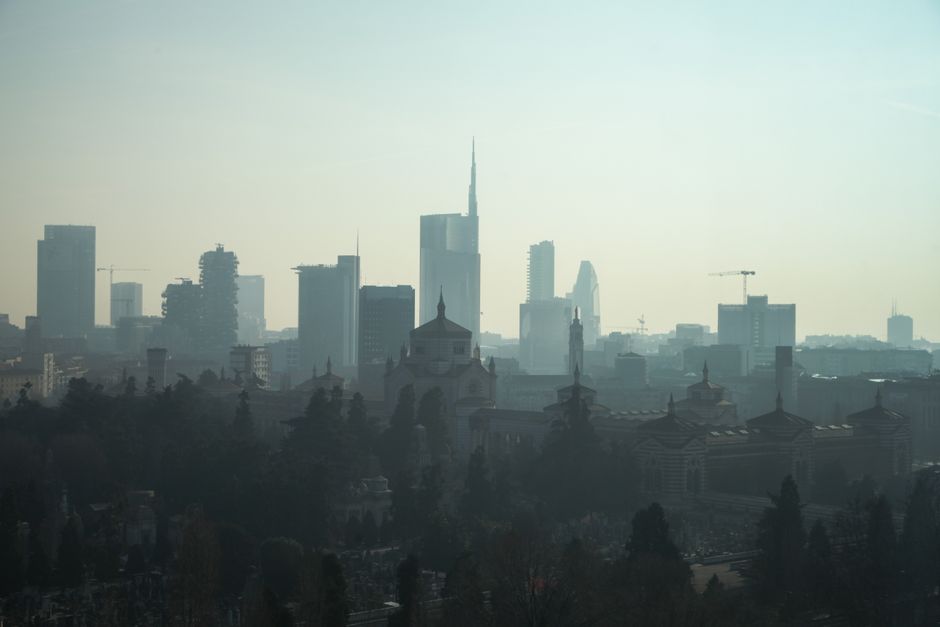
What is actually in the winter smog
From late October to January, the air over Delhi-NCR thickens with a mixture of vehicle exhaust, industrial smoke, construction dust, stubble-burning haze and the smoke of local fires, trapped near the ground by cold, still winter air. The component that matters most to your body is PM2.5, particles so fine that thirty of them span a human hair. Their size is the whole problem: the nose and throat filter bigger dust, but PM2.5 rides the airstream into the deepest air sacs of the lungs, and the finest fraction crosses into the bloodstream, which is why polluted months show up in heart and blood-pressure clinics, not just chest clinics.
Who feels it first, and who should act like it
Anyone breathing smog is affected, but the burden lands unevenly. Asthmatic children wheeze more and miss school; COPD patients, often lifelong smokers or women who cooked years over chulhas, find their breathlessness worsening; heart patients face a real rise in angina and heart-attack risk during bad-air spells; and pregnant women and infants carry effects science is still measuring. These groups should follow the precautions below strictly, not loosely, and should have their action plans and inhalers reviewed before the season, the way hill families ready themselves before snow.
Read the AQI like a weather report
Checking the air quality index each morning should be as routine in an NCR winter as checking for rain in July, and the day should bend around it. Pollution typically peaks through the night and early morning, when cold air pins smoke to the ground, and eases somewhat by afternoon, so shift the morning walk to midday or to an indoor space on bad days. On severe days, exercise outdoors is genuinely counterproductive, because exertion multiplies the volume of air, and particles, pulled deep into the lungs. Children's outdoor games and elders' park hours deserve the same daily judgement.
Indoors: the only air you can actually control
You cannot clean Faridabad's sky, but you can manage one bedroom. Keep windows shut through the worst hours and ventilate briefly when the index dips, typically in the afternoon. Then stop making smoke indoors, since the same PM2.5 pours from incense sticks, mosquito coils, a smoky tadka without the exhaust fan, and any cigarette; a single agarbatti can push a small room's particle count to outdoor-smog levels. A genuine HEPA purifier, run continuously in the room where the family sleeps, with the door closed and filters changed on schedule, measurably lowers the particle load where you spend a third of your life.
Masks that work, and the ones that do not
Outdoors on bad days, only a well-fitting N95 or FFP2-class respirator meaningfully filters PM2.5; ordinary cloth masks and loose surgical masks let fine particles stream in around the edges, whatever their fabric claims. Fit is the active ingredient, the mask pressed sealed over the nose bridge and cheeks with no glasses-fogging leaks, and it matters most for commuters on two-wheelers and in autos, who ride inside the exhaust stream itself. Anyone with significant heart or lung disease should ask us before long stints in a respirator, since the breathing resistance is work, and no mask extends the wisdom of an outdoor workout on a severe day.
Support the body, skip the gimmicks
No food detoxifies smog from the lungs, and jaggery, ghee or herbal mixes marketed for pollution do not pull particles out of the body, whatever the forwards claim. What honestly helps is ordinary physiology: steady hydration keeping airway mucus thin enough to sweep particles out, a diet with seasonal fruit and vegetables supplying the antioxidants inflamed airways consume, no smoking on top of the smog, and proper sleep. Saline nasal rinses or drops genuinely help symptom-wise, washing deposited particles off the nasal lining, and are safe for daily winter use in adults and children alike.
Smog symptoms that need the clinic
Come in when the season brings more than irritation: wheezing or whistling breath, breathlessness on ordinary effort like a flight of stairs, chest tightness or pain, a child's cough that keeps waking the household at night, or an asthmatic needing their blue reliever inhaler more often than usual, which signals slipping control rather than a bad day. Asthma and COPD patients should enter the season with a written action plan and full inhalers rather than borrowing puffs mid-crisis. And any smoker who needed one more reason: on these winter mornings, quitting is the single largest air-quality improvement available to your family indoors.
Questions patients ask
At what AQI level should children stay indoors?
As a working rule, cut outdoor games when the index crosses the poor range and stop them in very poor to severe conditions, especially for asthmatic children. Judge trends morning by morning rather than by a single number.
Do indoor plants clean the air of a smoggy house?
Plants absorb negligible PM2.5 at household scale; you would need a jungle, not a few pots. Keep them for pleasure, and rely on closed windows during peaks, no indoor smoke and a HEPA purifier for actual particle control.
Is morning walk better cancelled or shifted in smog season?
Shifted, not cancelled. Pollution peaks overnight and early morning, so walk in the afternoon dip, indoors in a mall or hall on severe days. Exercise remains essential; only its timing and venue should bend to the AQI.
Suggested articles

Flu Season Isn't the Same Everywhere: Timing Your Shot in India and the US
Flu peaks in different months in India and the US. When each country's season runs, when to take the annual shot in each, and who needs it most.
24 August 2026 · 4 min read
Food Spoils Faster Than You Think: Summer Food Safety at Home
Why summer food poisoning spikes: the two-hour rule, bacterial doubling, fridge discipline, and safe handling of milk, curd, leftovers and cut fruit.
24 August 2026 · 4 min read
Why Joints Hurt More in Winter — and What Actually Helps
The real reasons knees and fingers ache more in the cold — thicker joint fluid, guarding muscles, less movement — and the winter habits that ease them.
24 August 2026 · 4 min read